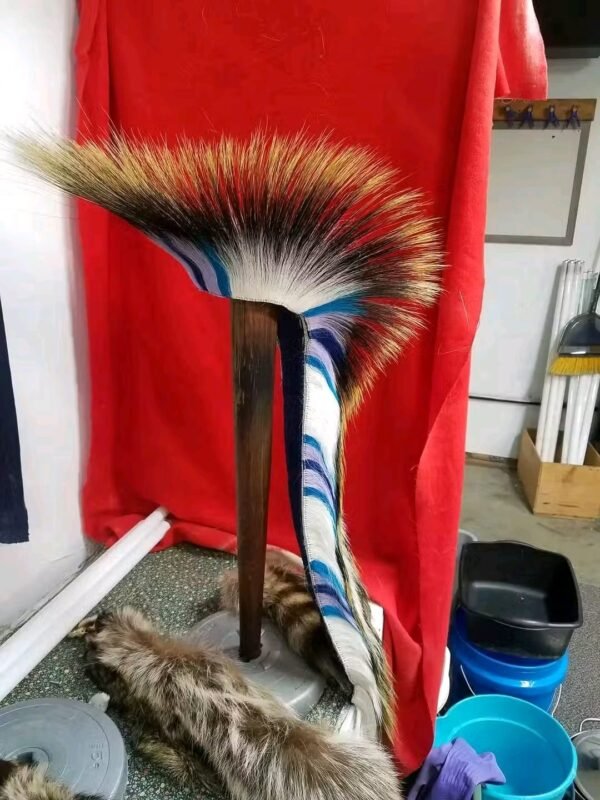
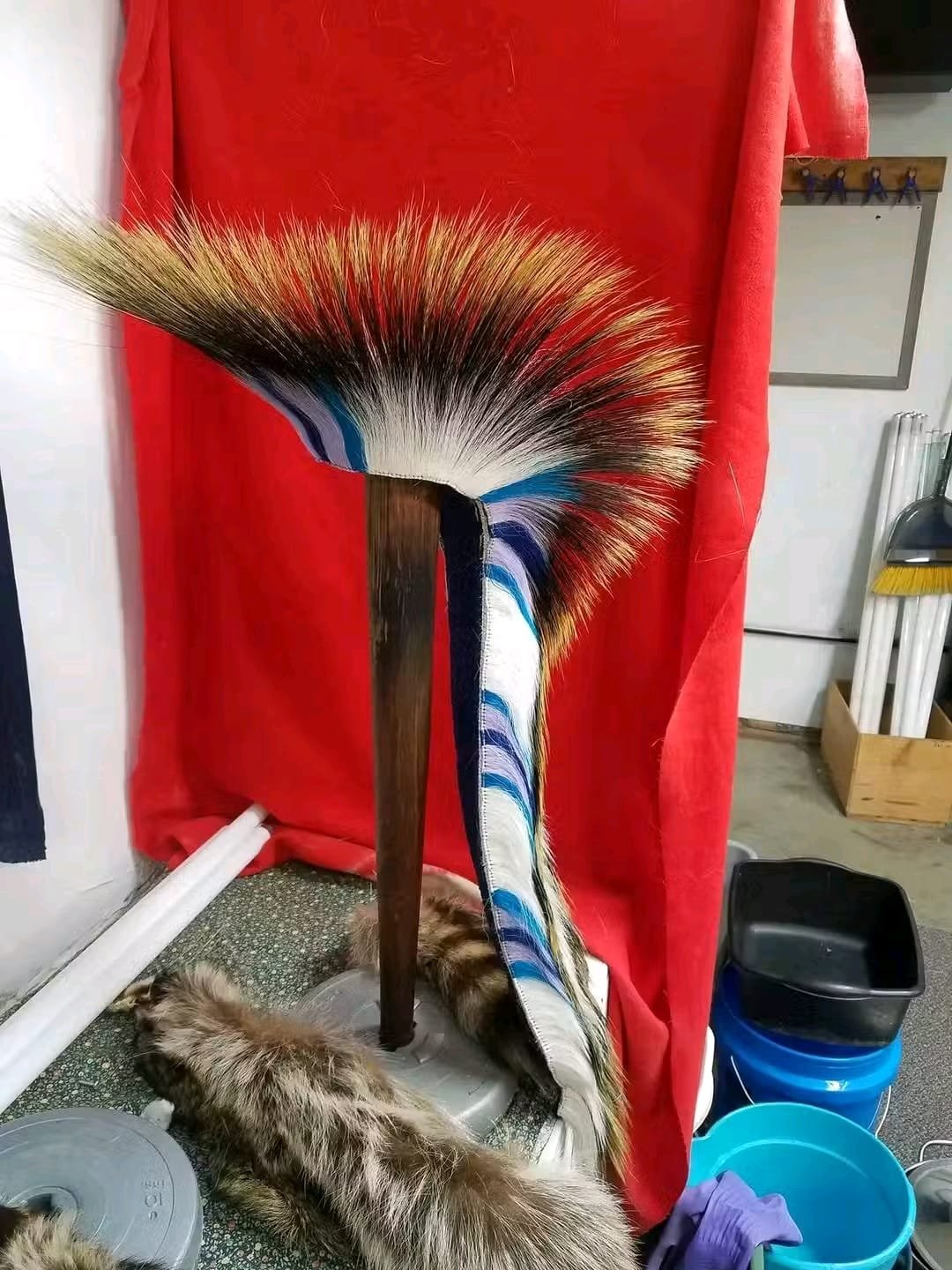
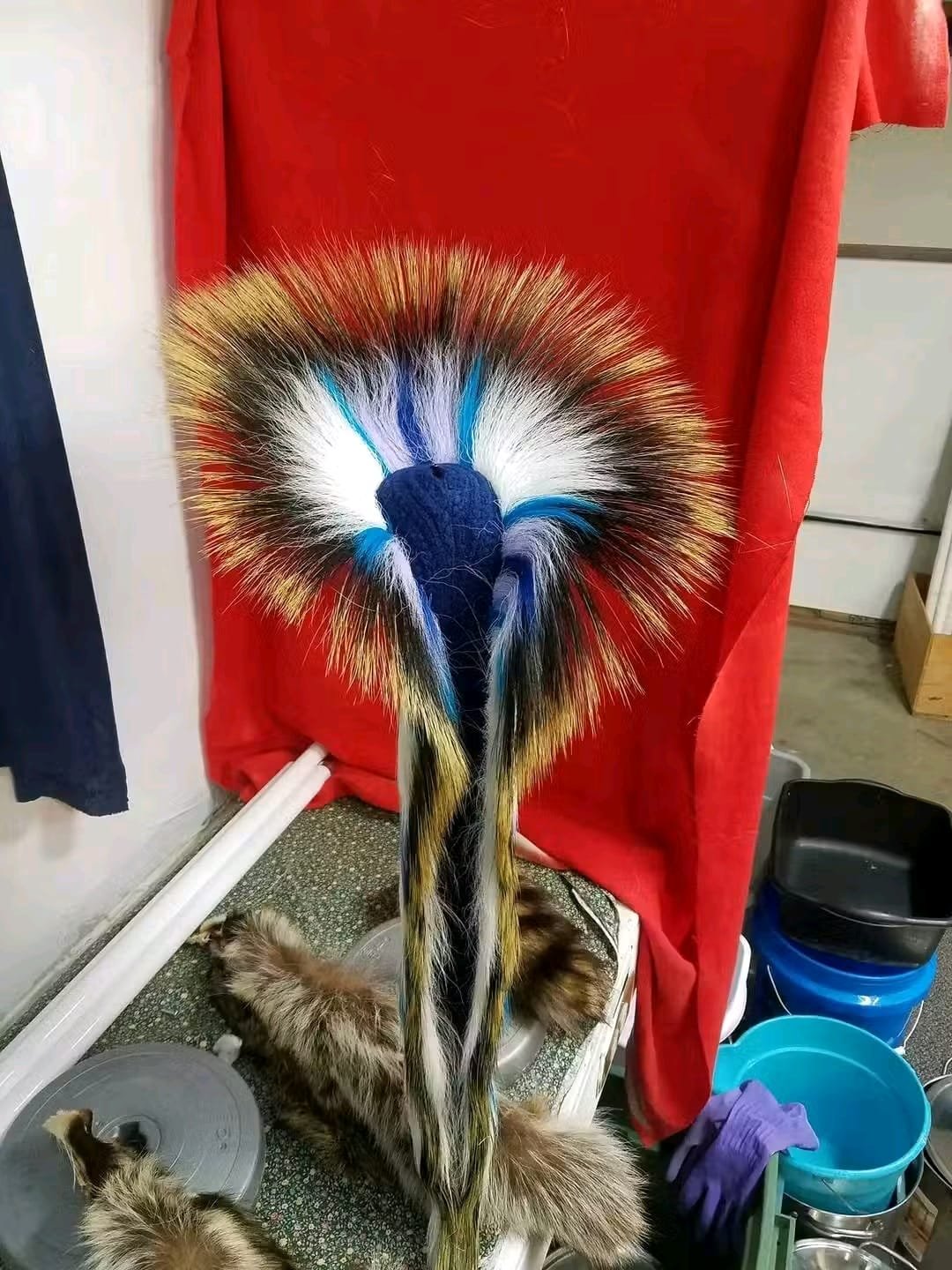
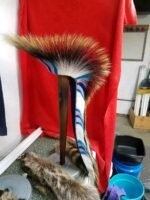
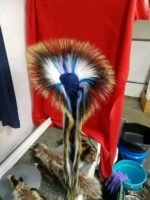
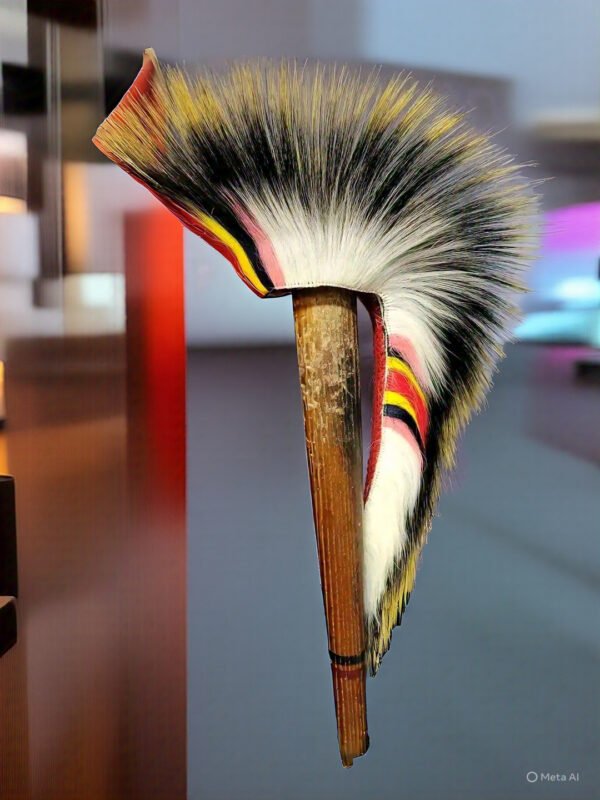
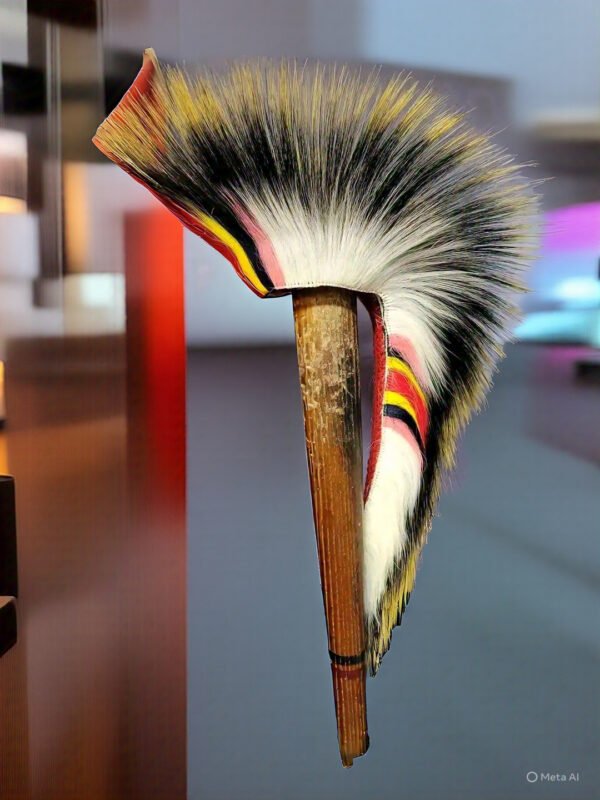
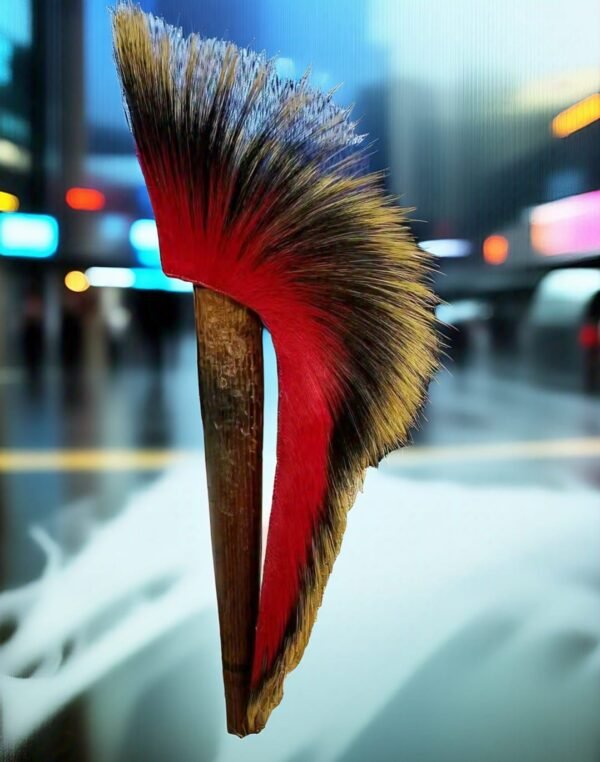
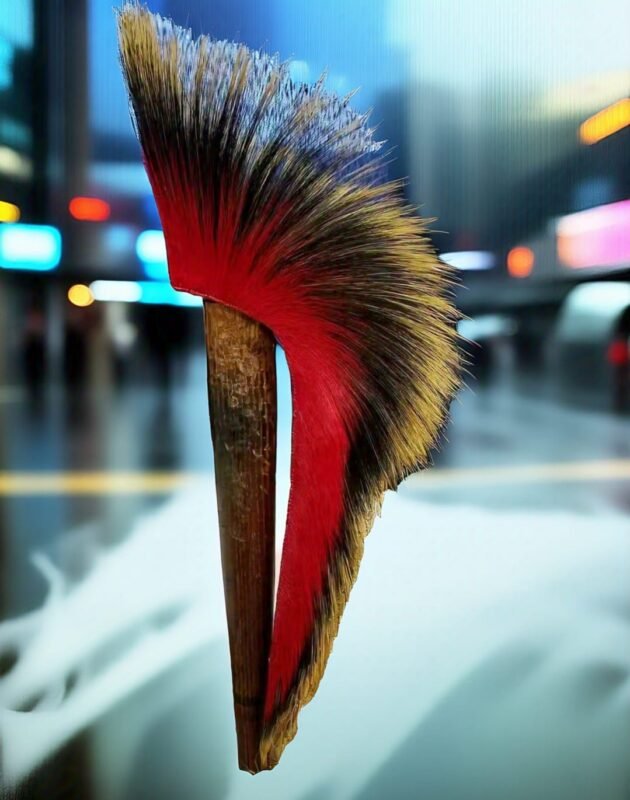
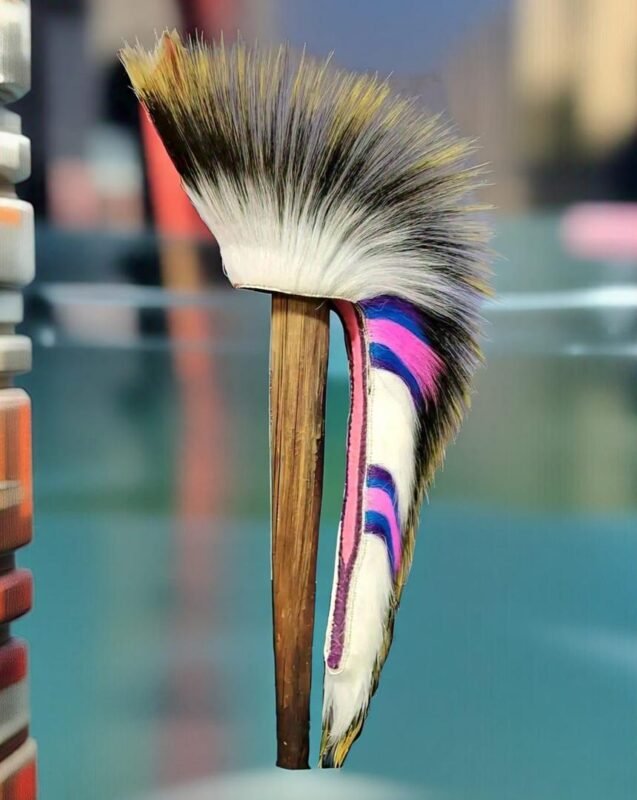
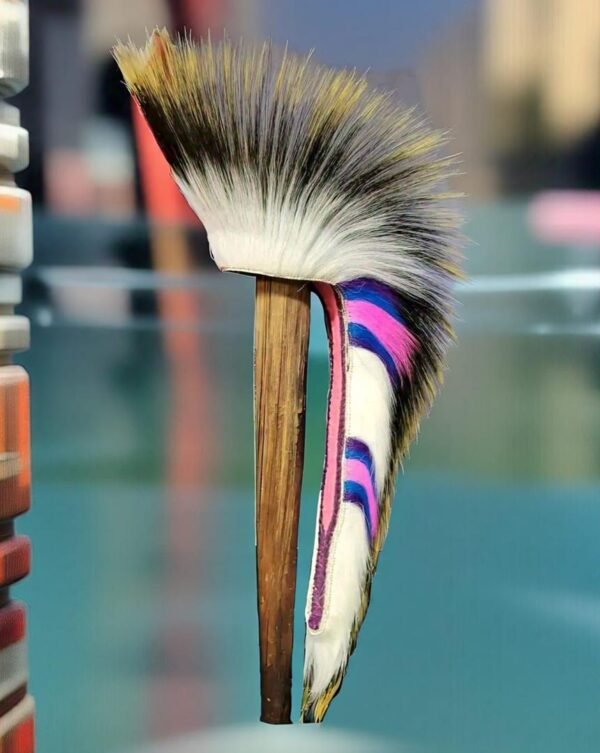
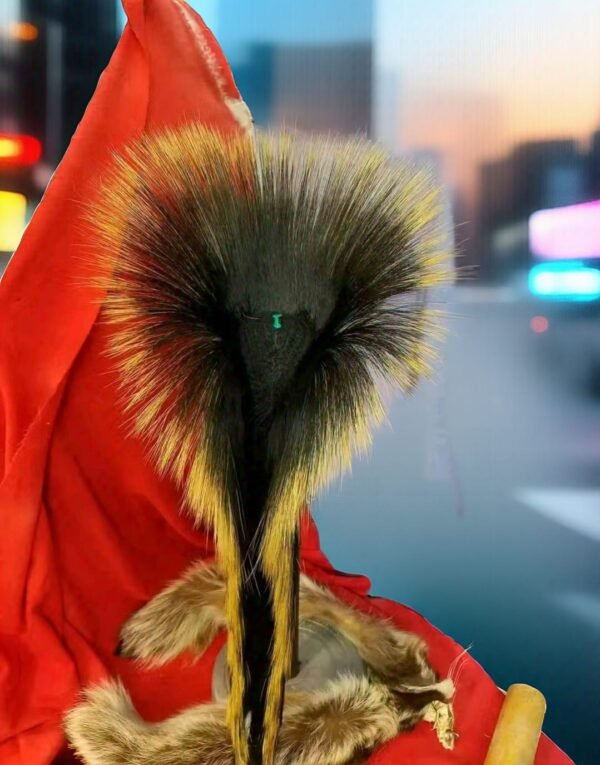
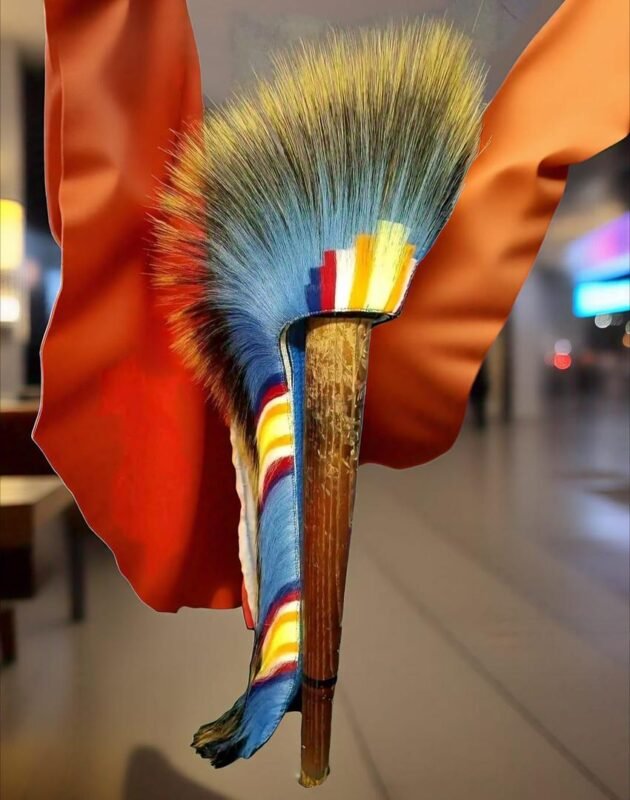
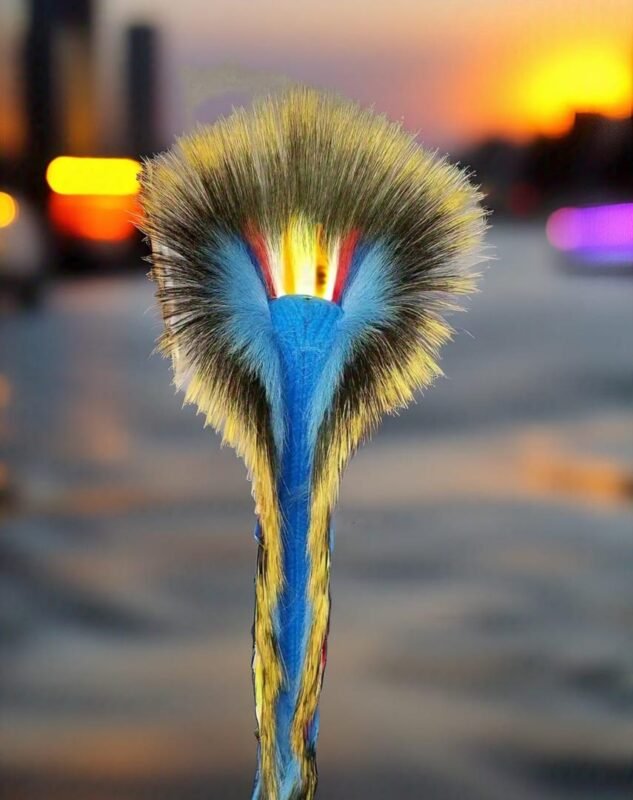
Grass Dance: History, Meaning & Tradition: 24″ Porcupine Roach Hair inch Crow style.
Grass Dance: History, Meaning & Tradition holds significant cultural value in Native American traditions, especially among Plains tribes. This dance, with roots that reach back centuries, continues to thrive at powwows across North America. Combining ceremonial elements with storytelling and physical movement, it is celebrated as one of the most respected and traditional dances.
To begin with and preeminent, the Grass Dance: History, Meaning & Convention arises from the need to prepare the ground for spiritual cultural events. Traditionally, dancers would flatten the tall prairie grasses to create a sacred space. Consequently, their movements mirrored the swaying of the grass in the wind. Thus, the dance reflects harmony between human life and the natural world, showcasing the cultural significance of Grass Dance traditions.
The Grass Dance history symbolizes adjustment and healing. Dancers move with fluid, flowing steps to represent unity and peace. As the dance connects the spiritual and physical realms, it manifests as a form of prayer, reflection, and celebration. Thus, it holds deep significance for both participants and observers, reflecting the cultural significance of Grass Dance.
Moreover, the formal attire worn within the Grass Move: History, Meaning & Convention improves its narrating control. Artists wear bordered outfits that influence with each movement, imitating the see of grass blowing within the wind. Moreover, they regularly incorporate typical beadwork, quills, and insects, which express individual, tribal, and otherworldly character. Since each thing carries meaning, the visual components fortify the tradition’s sacrosanct roots.
Similarly critical, the Grass Move: History, Meaning & Convention permits artists of all ages to associate with their legacy. By educating more youthful eras this conventional craftsmanship shape, communities protect not fair movement—but dialect, values, and sacrosanct melodies. Hence, the move gets to be a living connect to genealogical shrewdness and pride.
In expansion, the music that goes with the Grass Move: History, Meaning & Convention plays a basic part. Drums and vocal chants direct the artists, keeping up cadence and otherworldly vitality. Since the drumbeat speaks to the pulse of Mother Soil, it grounds the involvement in ceremony.
In conclusion, the Grass Dance history exemplifies a vibrant expression of Native American culture. Through graceful movements, traditional Native American attire, and resonant music, the Grass Dance continues to unite communities, pay tribute to ancestors, and maintain cultural identity for future generations.










Reviews
There are no reviews yet.